


Choosing a hair system
A natural-looking hair system: 6 details that matter
Hairline, density, colour and cut work together. Learn what to assess before choosing a system.
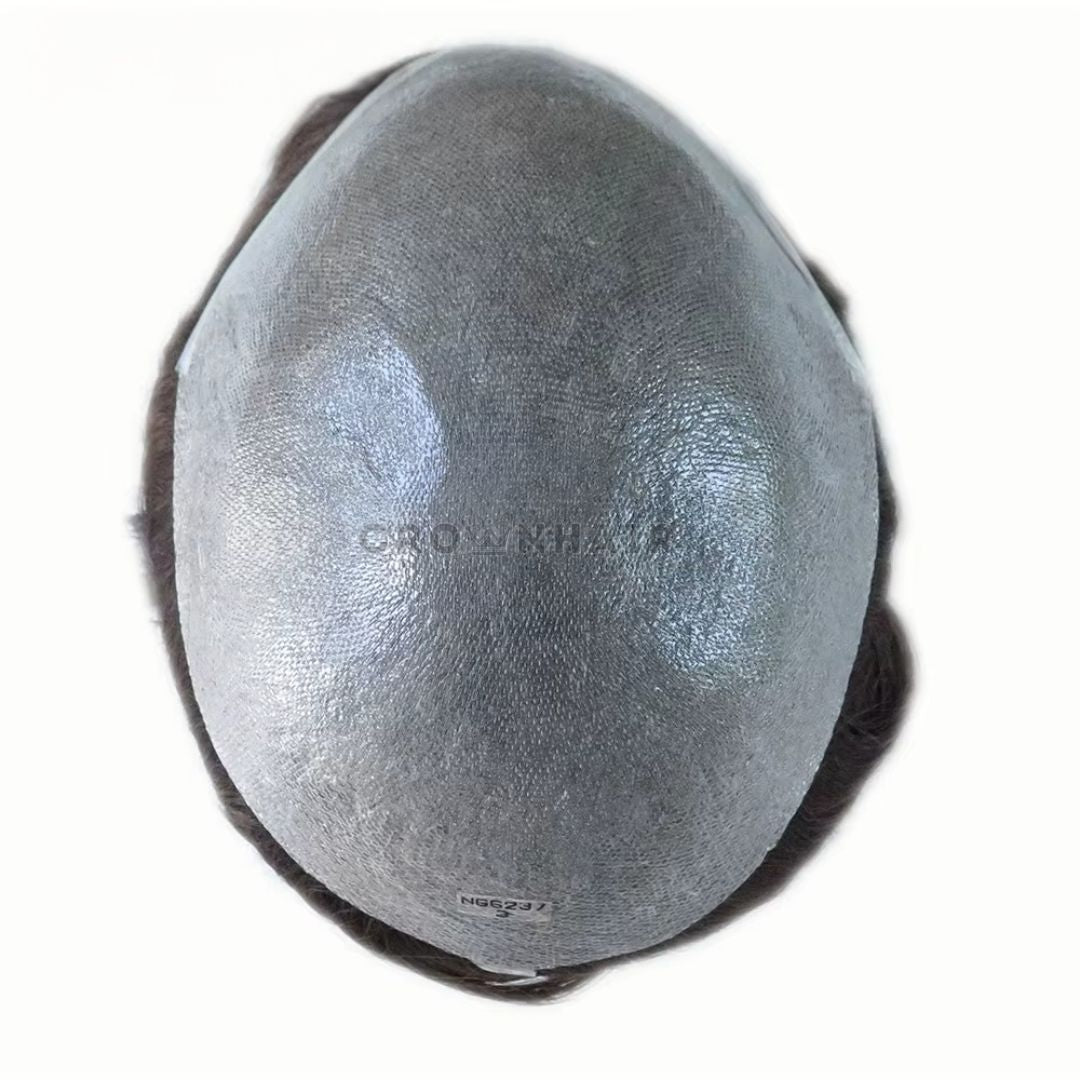
A natural-looking result comes from details that work together. A thin base alone cannot compensate for excessive density or a colour mismatch at the sides. Aim for a coherent result that suits your appearance and hairstyle, rather than invisibility in every situation.
1. A hairline that suits your face
Position, shape and hair distribution affect the appearance of the hairline. An edge that sits too low or looks overly uniform may seem out of balance even with a discreet material. Start with your face and coverage area; another person's photograph is not a measurement.
Swept-back hair exposes the front more than a fringe. Explain your preferred style before ordering so that material, construction and frontal density can be considered together. See the hairline selection guide.
2. Density balanced with your own hair
More hair is not automatically better. Compare the system's volume with the sides and back, especially at the transition. A strong contrast can make that transition more noticeable.
The same density percentage may not look identical across models or manufacturers. Length, hair diameter, texture and distribution also matter. Provide realistic photographs alongside your density preference. Our density guide explains what to compare.
3. Colour and undertones, not just a code
A colour code is a reference, not a guarantee of a perfect photographic match. Warm lighting, filters and screens can shift tones. Assess dry hair in indirect daylight, including the side areas that will remain visible.
Consider undertones, grey hair and differences between roots and lengths. Ask about sample comparison when colour is difficult to identify. The colour guide explains which details to collect.
4. A base suited to your style and routine
PU provides a continuous membrane; lace uses a mesh; hybrid bases combine materials in different areas. No option is best for everyone. An exposed hairline, comfort, bonding and manageable maintenance all influence the choice.
A delicate base needs appropriate handling. Explore the balance between discretion and practicality in the base guide. DualBase Air is one example of a hybrid construction; check the specifications of your selected configuration.
5. Consistent texture and direction
Straight, wavy or curly hair should blend with your existing hair. Look beyond colour: compare movement and volume when dry. A texture mismatch can create a visible transition even when the shade is right.
Explain where you want the parting and which way you style your hair. Styling freedom depends on construction; do not assume every model can be brushed in any direction. A reference haircut helps when assessed against the base and your own hair.
6. Cutting, blending and ongoing care
A newly supplied system may have lengths that need adapting. The cut should connect the top, sides and back without abrupt changes in volume. Very short or sparse side hair requires planning before purchase.
A professional familiar with hair systems can help with installation and cutting. Explore the CrownHair salon network. CrownHair provides products and technical support; it is not an installation salon. Appropriate cleaning and detangling help keep the finished style tidy.
Three useful checks before ordering
- Photograph the front, sides and back in even lighting without filters.
- Compare your preferred volume and texture with your existing hair.
- Describe your hairstyle, maintenance routine and how much hairline you want to expose.
Common questions
Is a thinner base always more natural?
Thickness is only one factor. Position, colour, density, bonding and cutting can be equally important to the overall result.
Can a haircut correct everything?
A cut helps blending, but cannot replace an appropriate base, colour and configuration. Decide these details before ordering to reduce the need for later adjustments.
Information about choosing and caring for hair systems. Contact CrownHair support for advice on your individual configuration.